How a Chrome extension, AppSheet, n8n, and MySQL became a custom ATS used daily for three years by a 300-person company managing 20,000+ résumés.
Why Claude Code, Codex, and Copilot show the practical conditions business teams need before AI agents can work reliably.
A practical guide to seven operational processes where AI reduces manual work fastest, with examples, prioritization logic, and rollout advice.
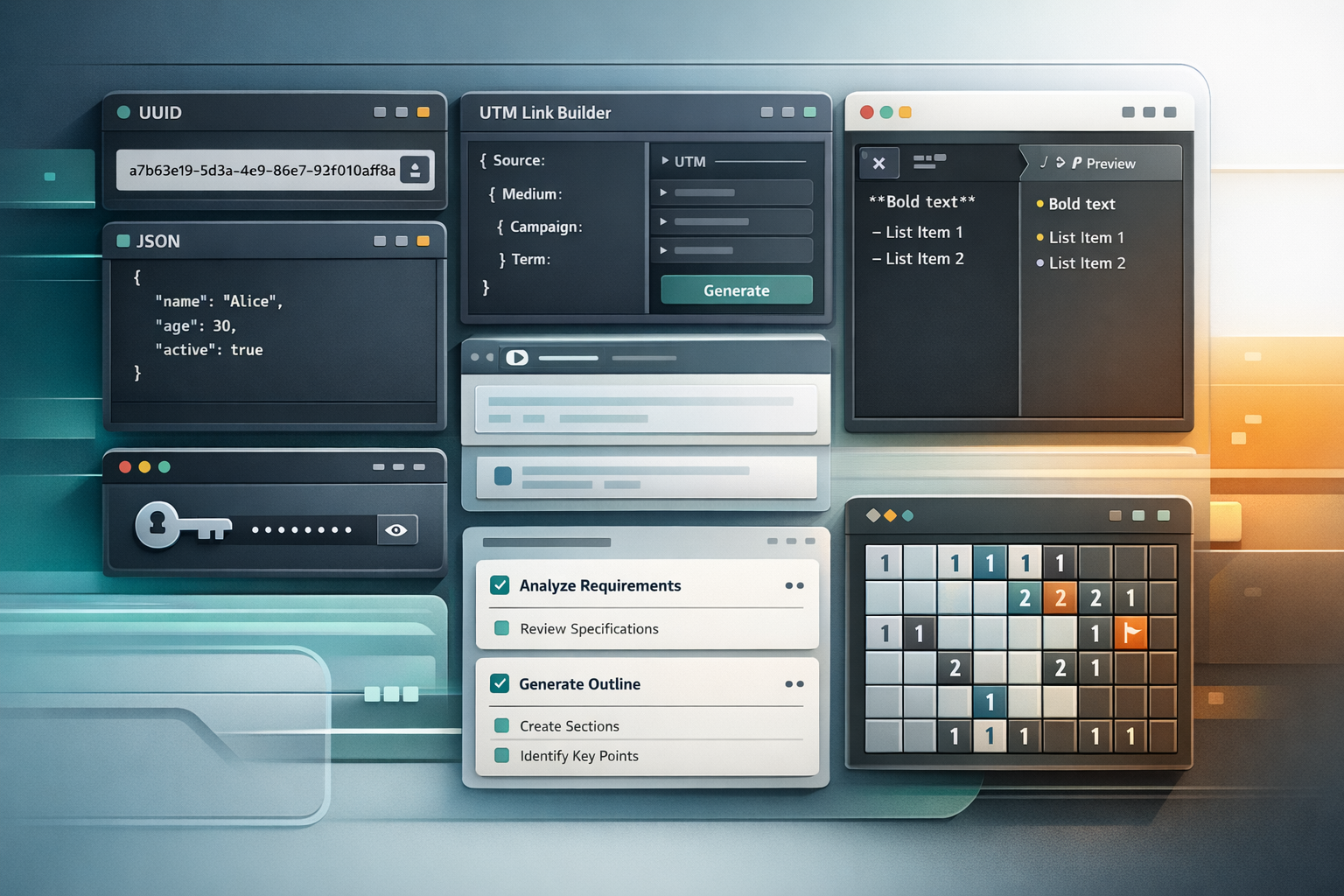
A practical case for keeping small public browser tools for UUIDs, UTM tags, passwords, Markdown, JSON, randomization, task management, and a few side projects.
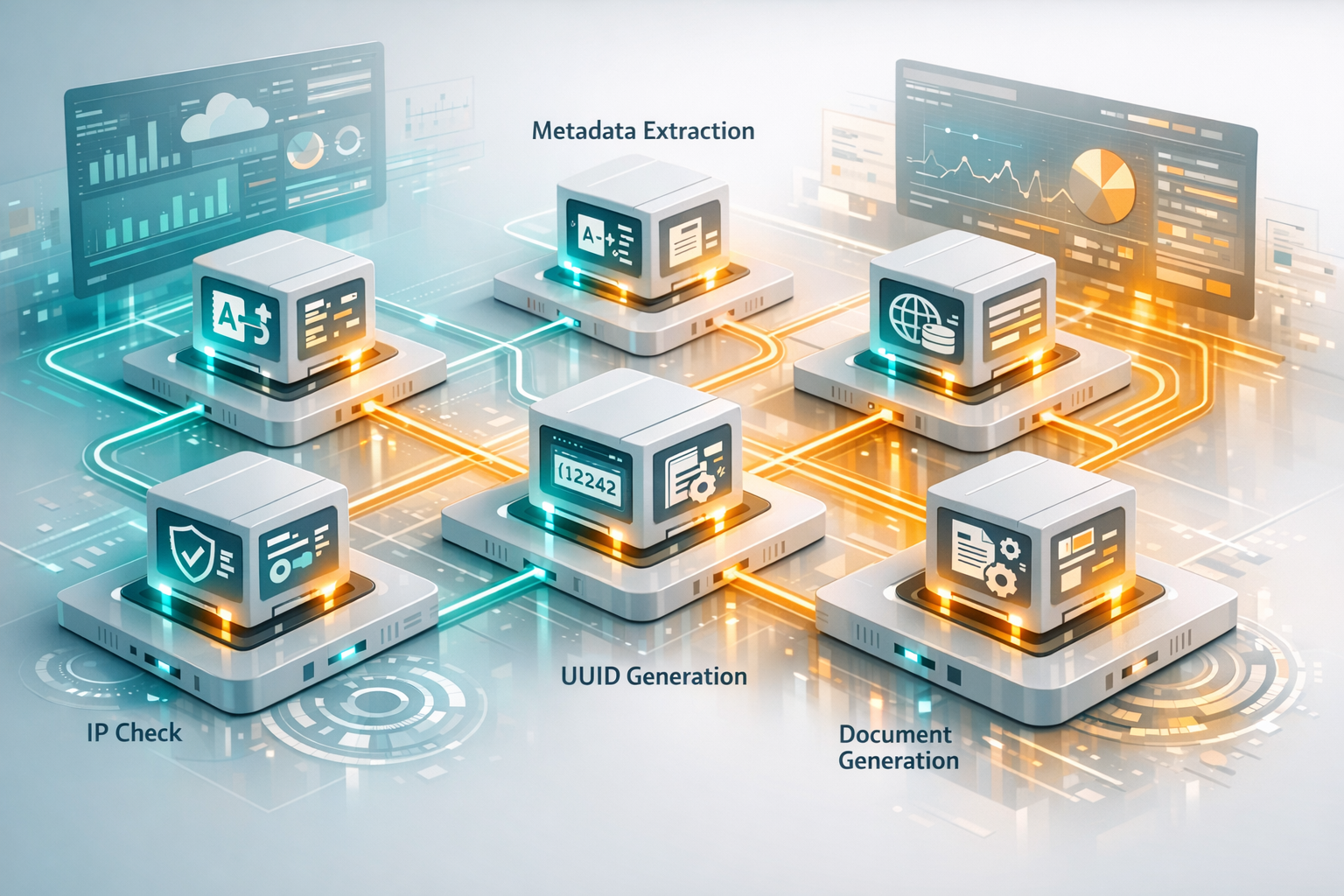
A practical case for turning repeat automation logic into small public APIs, with examples from n8n, document generation, scraping, server work, and AppSheet.
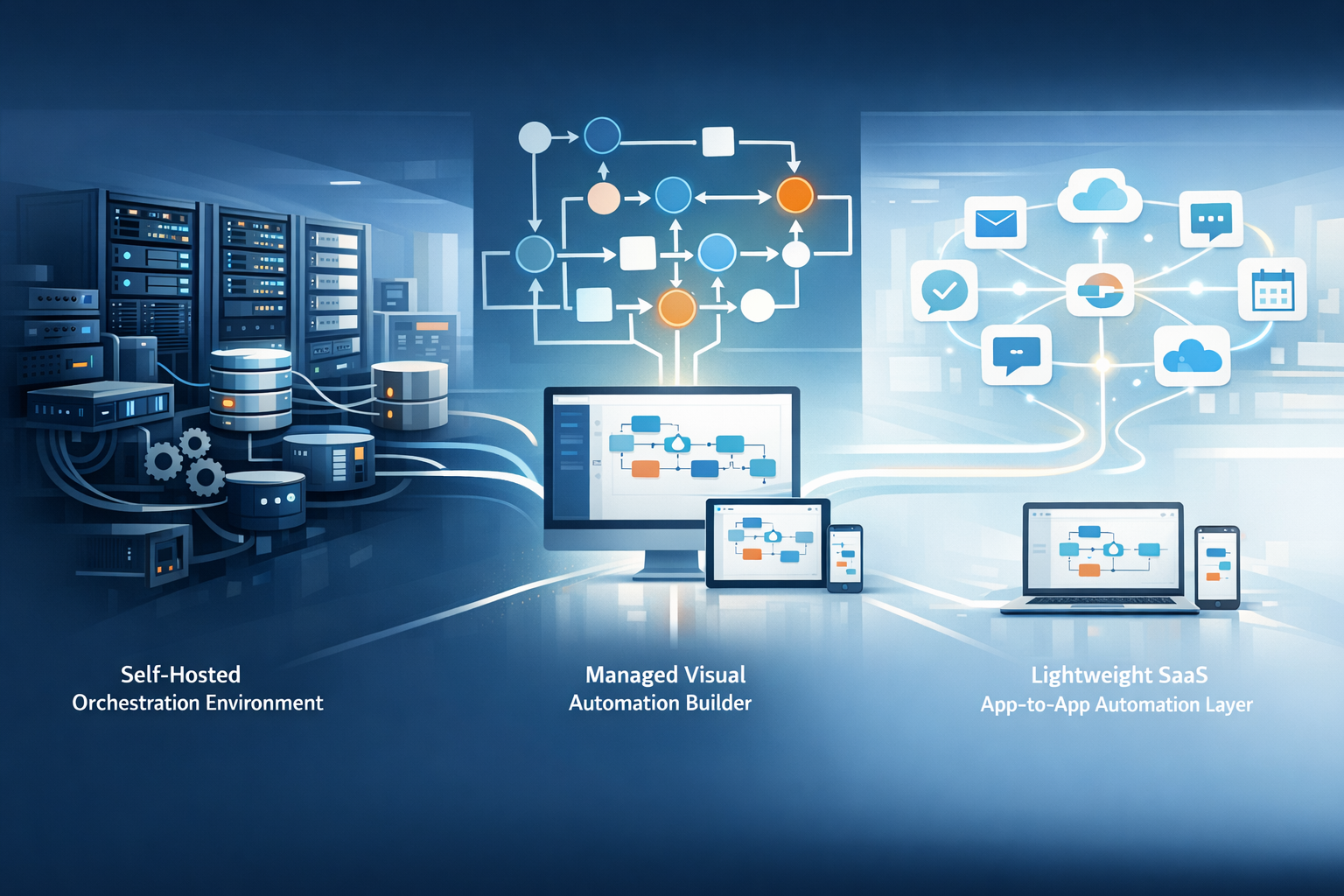
A practical comparison of self-hosted and SaaS tools for internal business systems across control, speed, security boundaries, vendor dependence, and operational cost.
A practical guide to where AI agents create real business value across routing, research, automation, internal tools, content operations, and developer workflows.
A practical guide to choosing between a standard CRM and a custom business system when workflows, approvals, service delivery, and operations stop fitting CRM defaults.
A practical framework for choosing AppSheet, a custom build, or a hybrid stack for internal business tools across speed, reliability, flexibility, and long-term operations.
A practical comparison of n8n, Make, and Zapier across control, speed of setup, self-hosting, complexity, and where each platform fits real business automation.
A practical comparison of Hugo and WordPress for company blogs across speed, editing workflow, maintenance, security surface, AI-assisted publishing, and long-term cost.
A practical comparison of ClickHouse and BigQuery across cost model, performance shape, operations, and where each platform is the better analytics choice.
A practical guide to optimizing BigQuery with partitioning, clustering, materialized views, staged tables, and table snapshots so reports stay fast and affordable.
When self-hosted n8n is worth it: security boundaries, scaling beyond plan limits, flexible infrastructure, licensing options, and a practical Docker starting point.
A practical comparison of PostgreSQL, MySQL, ClickHouse, Redis, and Qdrant by role in a self-hosted stack for internal tools, analytics, automation, and AI.
When self-hosted Qdrant is the better fit for retrieval, vector search, and internal AI systems that need a dedicated layer for semantic lookup.
When self-hosted Ollama makes sense for private AI workflows, predictable inference cost, and local model execution inside a broader automation or internal tools stack.
A practical comparison of Prometheus, Gatus, and Beszel: which tool fits metrics, uptime checks, or Docker host visibility, and when to use them together.
When self-hosted Beszel is the fastest way to monitor a Docker host, containers, and basic service health without committing to a heavier metrics stack.
When self-hosted Gatus is the better choice than a full monitoring stack for uptime checks, status visibility, and simple alerting across a self-hosted environment.